
World Health Day: Why Oral Health Shapes Your Whole Body
The Mouth-Body Connection We Often Ignore
It’s April 7—World Health Day. A day when health headlines are everywhere, and yet, how often do we stop to think about the most overlooked portal to wellness in our own bodies? The mouth. Tiny, unassuming, but astonishingly influential.
We brush, we floss, we maybe swish with mouthwash, and then move on. “It’s just about teeth,” many think. Harmless cavities, perhaps a bit of tartar but nothing more. Yet the truth is far from that. Oral health is the unsung orchestrator of systemic wellness. It quietly shapes inflammation levels, immune responses, even cardiovascular function. One skipped flossing session may feel inconsequential but repeated over months and years, it becomes a subtle sabotage of your body’s equilibrium.
The connection between oral and whole-body health is often invisible. It is insidious, working behind the scenes, manifesting in ways we rarely suspect. Bad breath, gum sensitivity, or bleeding while brushing might seem like minor inconveniences, but these can be the first signals that your body is struggling elsewhere.
So why does World Health Day matter in this context? It’s a chance to pause, to reflect, and to recognize that your daily oral habits are foundational, not optional. And that recognition can be the first step toward real, lasting wellness.
The Science Behind Oral Health and Whole-Body Wellness
Think of the mouth as a gatekeeper. Every bite, sip, and breath passes through it and with it, bacteria, viruses, and other microbes. Some of these microbes are essential allies, supporting digestion and defending against harmful invaders. But when the balance tips, harmful bacteria can gain a foothold, creating a cascade that reverberates far beyond the gums.
Inflammation is the hidden linchpin here. Gingivitis—gum inflammation—might seem mild: slight redness, occasional bleeding, a twinge of discomfort. But inflammation is not localized. Once activated, it sends chemical signals into the bloodstream, affecting distant tissues and organs. This silent systemic stress contributes to conditions ranging from cardiovascular strain to metabolic imbalance.
Even more intriguing is the role of microbial equilibrium. The oral microbiome is a bustling ecosystem. A healthy balance suppresses harmful bacteria, supports digestion, and primes your immune system. But when harmful microbes dominate, the result isn’t just cavities; it’s a subtle, ongoing assault on your systemic health.
The mouth, then, is both a mirror and a conduit. It reflects underlying health issues and can influence the progression of others. Ignoring oral care isn’t just neglecting your teeth, it’s neglecting a vital axis of overall health.
Beyond Cavities: Health Conditions Linked to Poor Oral Hygiene
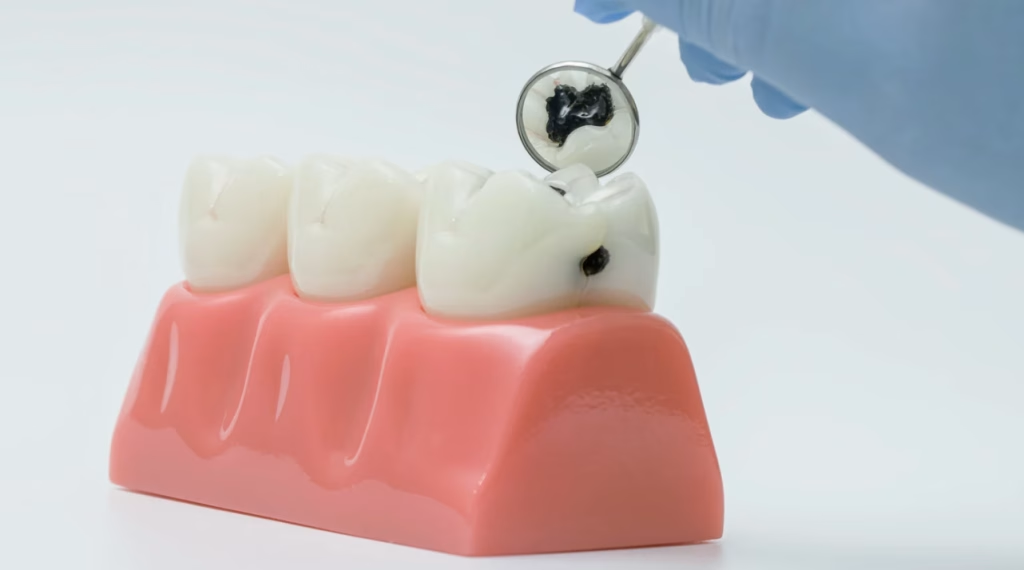
Poor oral hygiene doesn’t stay confined to the mouth. Its reach is extensive and sometimes surprising.
Heart disease is a prime example. Bacteria from inflamed gums can enter the bloodstream, adhere to arterial walls, and contribute to plaque buildup. Chronic inflammation from gum disease also stresses the cardiovascular system, subtly increasing risks for heart attacks and strokes.
Then there’s diabetes, which has a two-way relationship with oral health. High blood sugar promotes bacterial growth and gum disease, while severe periodontal issues can impair blood sugar control, complicating management of the condition. It’s a feedback loop that quietly erodes wellness.
Respiratory infections, too, have oral origins. Bacteria from neglected oral spaces can be aspirated into the lungs, particularly in vulnerable populations, increasing risks of pneumonia and chronic respiratory conditions.
Even pregnancy is affected. Hormonal shifts make gums more reactive. Untreated periodontal disease has been linked to preterm birth and low birth weight, highlighting the critical importance of oral care during this sensitive period.
The takeaway? Oral hygiene isn’t a small concern, it’s a foundational pillar supporting everything from your cardiovascular system to reproductive health.
Warning Signs Your Oral Health Is Affecting Your Body
How do you know when your mouth is trying to tell you something? Often, the signs are subtle:
- Bleeding gums or persistent bad breath – Not just cosmetic issues, these are signals of bacterial overgrowth and inflammation.
- Tooth sensitivity – Sharp jolts from cold or sweets can indicate enamel erosion, gum recession, or even systemic issues like acid reflux or mineral deficiencies.
- Fatigue, recurring infections, or general malaise – Chronic oral inflammation forces the immune system to stay on high alert, diverting energy from other bodily functions and leaving you more vulnerable elsewhere.
These signals are rarely dramatic. They’re gentle nudges or whispers that something deeper is at play. Ignoring them is tempting, but it’s often a costly oversight. Listening to these cues allows early intervention, reducing the risk of cascading systemic effects.
Daily Habits That Protect Both Your Smile and Your Health
The power of prevention lies in routine. Small, deliberate daily actions can have outsized effects.
Brushing and flossing: Not all brushing is created equal. A soft-bristled brush angled at 45 degrees along the gumline, moving in gentle circular motions, does more than aggressive scrubbing. Flossing fills the gaps your brush can’t reach, removing food particles and preventing plaque buildup. It isn’t optional, it’s essential.
Dental checkups: Even perfect brushing habits can’t reach tartar hardened below the gumline. Regular professional cleanings and exams catch issues early, preserving both dental and systemic health. Dentists often detect warning signs that hint at broader health concerns like nutritional deficiencies or early metabolic disturbances, long before they appear elsewhere.
Nutrition: What you eat affects your mouth and the rest of your body. Sugary, acidic foods feed harmful bacteria, while calcium-rich foods like dairy, phosphorus sources like fish and eggs, and antioxidant-rich vegetables help strengthen teeth, combat inflammation, and support immunity. Crunchy fruits like apples and carrots provide mechanical cleaning while stimulating saliva, a natural buffer against bacterial growth.
Hydration: Saliva is an unsung hero. It neutralizes acids, washes away food particles, and supplies minerals that repair early enamel damage. Insufficient hydration disrupts this defense, giving harmful bacteria the upper hand. Simple, frequent water intake maintains this vital balance.
Family-Focused Oral Care: Building Healthy Habits at Home
Oral health is a family affair. Habits learned early become lifelong patterns.
Teaching children: Kids mimic what they see. Explain oral hygiene in terms they understand: germs can hurt teeth, brushing keeps them strong, flossing protects tiny gaps invisible to the eye. Make it fun. Make it expected. Lead by example.
Daily routines: Consistency is everything. Morning and evening brushing, supervised flossing for younger children, and family-wide reinforcement help normalize oral care. Environmental cues like accessible toothbrushes or visual reminders support habit formation.
Preventive strategies across ages: Children need guidance; teens require accountability; adults need maintenance; older adults face additional risks from reduced saliva and medications. Across all ages, the principle remains: prevention reduces complications. Regular checkups, nutrition, hydration, and consistent hygiene form a continuum that supports lifelong wellness.
Conclusion: A Healthier Life Starts with Your Smile

At its core, oral health is more than appearance, it’s a barometer for whole-body wellness. From inflammation to microbial balance, from immunity to cardiovascular function, the health of your mouth echoes throughout your body.
And yet, the solution is surprisingly simple.
- Brush properly.
- Floss daily.
- Drink water consistently.
- Eat nutritiously.
- Keep up with dental visits.
Simple actions repeated daily accumulate into profound benefits over months and years. They strengthen the mouth’s natural defenses, reduce systemic inflammation, and support long-term vitality.
World Health Day is a reminder but it’s also an invitation. To observe, to reflect, and to act. To recognize that the habits you establish today shape the wellness of tomorrow.
Start small. Stay consistent. Listen to your body. Protect your teeth, yes, but understand that in doing so, you are protecting far more: your heart, your immune system, your energy, your life.
Because a healthier life often begins with one simple choice. And that choice frequently starts with your smile.