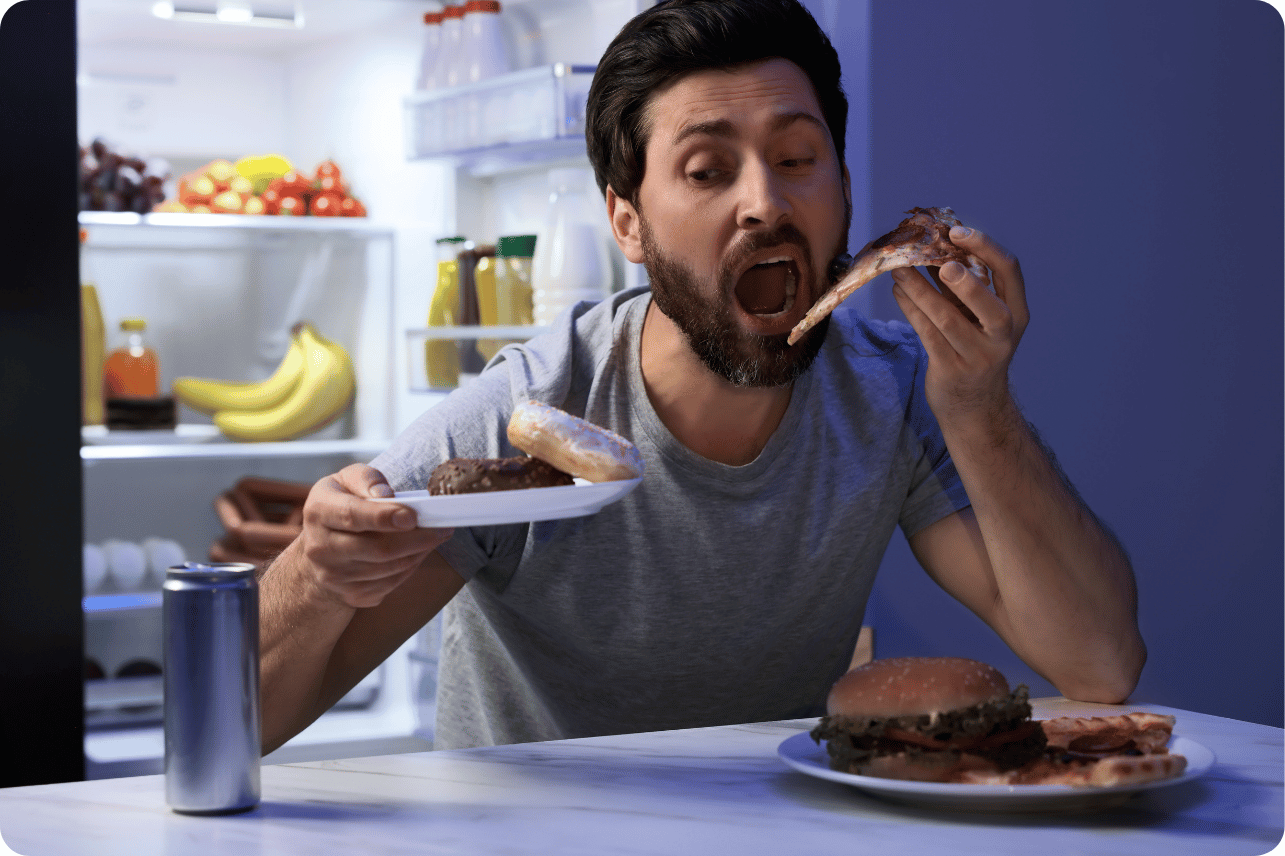
For many people taking GLP-1 medications, eating less happens almost automatically.
The problem? Eating less can also mean getting less nutrition.
When appetite drops and meals become smaller, it becomes easier to miss protein, fiber, vitamins, minerals, and fluids. GLP-1 medications can also slow gastric emptying, which may make large meals feel uncomfortable. The Obesity Medicine Association notes that reduced intake during GLP-1 treatment can contribute to nutritional gaps, making nutrient-dense food choices especially important. (Obesity Medicine Association)
So what does a GLP-1 diet what to eat plan actually look like?
Not a plate piled with “diet food.” Not endless protein shakes. And certainly not surviving on coffee and three bites of lunch.
The better approach is simple: eat smaller meals, but make those meals count.
GLP-1 Medications Change More Than Your Appetite
Why Eating Less Can Make Nutrition More Important
GLP-1 medications such as semaglutide and tirzepatide can reduce appetite and increase feelings of fullness. That is part of why they can support weight loss. But the same effect can create a nutritional blind spot.
Imagine your normal dinner shrinking from a full plate to half a plate. If that smaller meal contains mostly refined carbohydrates or a few bites of dessert, you’ve consumed fewer calories—but you haven’t necessarily given your body what it needs.
This is where nutrient density becomes important.
When appetite is limited, prioritize foods that provide substantial nutrition in relatively small portions: protein-rich foods, vegetables, fruit, legumes, whole grains, healthy fats, and fluids.
The goal isn’t to eat as little as possible.
It’s to make the food you do eat more useful.
The “Small but Mighty” Meal Strategy
A smaller meal can still be a complete meal.
Try eating slowly, taking smaller bites, and stopping when you feel comfortably satisfied rather than uncomfortably full. The Obesity Medicine Association’s patient guidance similarly recommends eating slowly and avoiding the point of excessive fullness.
This approach can be particularly useful during a busy workday. If a morning presentation runs long or lunch gets squeezed between meetings, a small Greek yogurt with berries may be far more practical than waiting until you’re ravenous and then attempting a huge meal.
Small does not mean nutritionally insignificant.
Protein Comes First — Here’s Why
The Nutrient GLP-1 Users Shouldn’t Overlook
Weight loss isn’t only about losing fat. Preserving lean tissue matters, too.
During weight loss, some loss of lean mass can occur, which is why protein and resistance exercise have become important parts of the conversation around GLP-1 treatment. The Obesity Medicine Association emphasizes adequate protein and resistance training as strategies that may help support muscle preservation during weight loss.
That doesn’t mean every GLP-1 user needs an enormous steak or a mountain of protein powder.
Instead, make protein a recurring feature of meals.
Good choices include:
Eggs
Greek yogurt
Cottage cheese
Chicken and turkey
Fish and seafood
Lean meats
Tofu and tempeh
Beans and lentils
Spreading protein across the day can also feel easier than trying to consume a huge amount at dinner.
And variety matters. Some people report changes in food preferences or aversions while taking incretin medications, including reduced interest in meat. Fortunately, protein doesn’t begin and end with chicken breast.
Easy High-Protein Options When You’re Barely Hungry
When solid food feels unappealing, keep things uncomplicated.
Greek yogurt with berries and seeds can provide protein, fruit, fiber, and healthy fats in a modest bowl.
Eggs with whole-grain toast and fruit make another straightforward breakfast.
For a lighter snack, try cottage cheese with fruit. And when chewing feels like a chore, a protein-rich smoothie may be easier to manage.
The point isn’t culinary excitement.
It’s consistency.
Build Your Plate Around Fiber, Not Just Fewer Calories
Why Vegetables, Fruit, Beans, and Whole Grains Still Matter
Protein may get the headlines, but fiber deserves a seat at the table.
Vegetables, berries, apples, beans, lentils, oats, and whole grains provide fiber along with vitamins, minerals, and other beneficial compounds. Fiber can also support digestive health and help create a more satisfying eating pattern.
But there is a small wrinkle.
If your diet has been low in fiber, suddenly adding enormous salads, beans, and bran cereal to every meal may leave your digestive system protesting. Increase fiber gradually and pay attention to tolerance, particularly if you’re already dealing with bloating or constipation.
Water matters here, too.
The Obesity Medicine Association highlights fiber as an important part of GLP-1 nutrition while also noting hydration’s role in managing constipation and reducing dehydration risk.
Don’t Forget Healthy Fats
Healthy fats can also fit into a GLP-1-friendly eating pattern.
Think avocado, nuts, seeds, olive oil, and fatty fish.
Because fat is energy-dense, you don’t need a huge portion. A little avocado on toast, a small handful of nuts, or olive oil drizzled over vegetables can add flavor and nutritional value without requiring a large meal.
That is useful when your appetite has become a smaller canvas.
Hydration Is Easy to Forget — Until You Feel It
Why Fluids Deserve a Place on the Daily Checklist
When you’re eating less, you’re also getting less fluid from foods such as fruit, vegetables, soups, and other water-rich meals.
So don’t let hydration become an afterthought.
Water should be the mainstay. Unsweetened tea, broth, and water-rich foods can contribute as well.
Pay attention to signs such as thirst, dry mouth, headache, dizziness, and unusually dark urine. These aren’t perfect diagnostic markers, but they can remind you to drink more.
And if you’re experiencing vomiting or diarrhea, dehydration becomes a more serious concern. Persistent symptoms deserve medical attention rather than a “wait and see” approach.
When Nausea or Digestive Symptoms Make Eating Difficult
Nausea, constipation, bloating, and prolonged fullness can make eating feel strangely complicated.
A few practical adjustments may help:
Choose smaller portions.
Eat slowly.
Avoid eating past comfortable fullness.
Keep meals relatively simple when your stomach feels unsettled.
Notice which foods consistently make symptoms worse.
Very large or greasy meals may be particularly uncomfortable for some people. The OMA’s patient guidance recommends limiting high-fat and fried foods and eating slowly.
If symptoms are persistent, severe, or preventing adequate food and fluid intake, contact your healthcare professional.
What GLP-1 Users May Want to Limit
Large, Greasy Meals Can Be Especially Uncomfortable
A massive restaurant meal may have been manageable before GLP-1 treatment.
Now it might feel like a tactical error.
Because GLP-1 medications can delay gastric emptying, large meals may be harder for some people to tolerate. Fried foods, very greasy meals, highly processed snacks, and heavily sugary foods can also crowd out more nutrient-rich choices.
This doesn’t mean you can never eat dessert or enjoy your favorite takeout.
Context matters.
If your appetite is small, filling that limited appetite with foods that provide little protein, fiber, or micronutrient value may leave less room for the foods your body needs.
Avoid Turning “Eating Less” Into “Eating Almost Nothing”
This distinction is crucial.
Reduced appetite is not the same thing as deliberate starvation.
Skipping meals simply because you’re afraid of calories can make it harder to meet your nutritional needs. The OMA has emphasized that GLP-1 nutrition should focus not merely on reducing calories, but on maintaining adequate nutrition and helping preserve muscle and bone health.
The scale is one measurement.
It isn’t the whole story.
A Simple GLP-1-Friendly Day of Eating
Breakfast: Protein + Fiber
Keep breakfast compact.
Try eggs with whole-grain toast and berries, or Greek yogurt with berries and seeds. Both combinations provide protein while bringing fiber and other nutrients to the table.
If your appetite is low, start with a smaller portion.
Lunch and Dinner: Modest but Balanced
A useful framework is:
Protein + vegetables + fiber-rich carbohydrate + healthy fat.
For lunch, that might mean grilled chicken, roasted vegetables, brown rice, and avocado. Dinner could be salmon with vegetables and a small serving of potatoes.
No elaborate meal-prep spreadsheet required.
Leftovers can do much of the work. Cook a protein, a vegetable, and a whole-food carbohydrate once, then mix and match them through the week.
Snacks: Choose Nutrition Over Grazing
A snack should contribute something useful.
Try fruit with nut butter, Greek yogurt, cottage cheese with berries, or a small handful of nuts.
If you’re sitting through a long presentation or stuck in back-to-back meetings, these portable choices can be much easier than waiting until you’re extremely hungry and then grabbing whatever happens to be nearby.
The Real Goal: Nourish the Body While Weight Changes
GLP-1 Nutrition Is About Quality, Not Simply Quantity
The central principle is surprisingly uncomplicated.
Protein. Fiber-rich foods. Healthy fats. Fluids. Micronutrient-rich whole foods.
These are the building blocks worth prioritizing when appetite is reduced.
Individual needs vary, though. Your medication, medical history, activity level, age, dietary pattern, and weight-loss goals all matter. There is no single universal GLP-1 meal plan that fits everyone.
That is especially important for people who exercise regularly. Resistance training paired with adequate protein and overall nutrition may help support muscle health during weight loss.
When It’s Time to Ask a Professional
If you’re consistently struggling to eat enough, experiencing ongoing gastrointestinal symptoms, losing weight rapidly, or concerned about nutrient deficiencies, talk with your doctor or a registered dietitian.
Recent guidance from the Obesity Medicine Association stresses the importance of purposeful nutrition planning during GLP-1 treatment because reduced food intake can contribute to inadequate protein, fiber, vitamins, and minerals.
The right question isn’t simply, “How little can I eat?”
It’s “How can I nourish my body with the amount I can comfortably eat?”
That shift changes everything about the plate.
Smaller meals can still be satisfying. Weight loss can still include good food. And nutrition doesn’t have to disappear just because your appetite has.
Eat smaller, nutrient-dense meals. Prioritize protein. Include fiber-rich foods and healthy fats. Stay hydrated. Listen to your body’s signals.
When you’re eating less, make every bite count.